🔄
Your Phone Should Not Be Your Clinic's Front Desk
It is 11:17 PM. You have already finished a ten-hour OPD. Your dinner is cold. And then your phone buzzes a WhatsApp message from a patient asking whether they can take their blood pressure medication on an empty stomach.
You tap out a quick reply because ignoring it feels irresponsible. Then another message arrives. And another. By midnight, you have answered six patient queries on WhatsApp, not because you chose to, but because there was no other system in place to handle them.
This is not a discipline problem. This is a systems problem.
Across India, hundreds of thousands of private practitioners general physicians, pediatricians, dermatologists, orthopedic surgeons are running clinics that have no structured patient communication layer between the consultation room and the patient's phone. The result? Doctors become de-facto 24/7 customer support agents using a personal messaging app never designed for clinical workflow.
This article gives you a practical, step-by-step framework to reduce that overload without hiring more staff and without sacrificing patient care.
The Real Scale of the Problem
India has approximately one doctor for every 834 people, according to the National Health Profile. In urban private practice, a busy general physician sees 40–80 patients per day. Even if just 20% of those patients follow up on WhatsApp, that is 8–16 unstructured messages daily every day, seven days a week.
Now multiply that across weeks and months. A conservative estimate puts the average Indian private practitioner at 60–90 minutes per day on unanswered or informally handled WhatsApp messages. That is over 400 hours per year the equivalent of roughly 50 full working days.
The most common types of messages that flood clinic WhatsApp numbers:
- Medication-related questions ("Can I skip today's dose?")
- Appointment scheduling and rescheduling requests
- Test report uploads asking for interpretation
- "Is this normal?" queries with blurry symptom photos
- Follow-up prescription requests
- Prescription refill reminders
- Post-procedure queries ("The wound looks red, is that okay?")
None of these are illegitimate patient needs. They are all reasonable. But fielding them through a personal WhatsApp number, with no triage system, no templates, and no defined response hours, is operationally unsustainable.
Before and After: Dr. Mehta's Clinic
Dr. Priya Mehta runs a general medicine clinic in Pune with one receptionist and no other admin staff. Before implementing a structured communication workflow, she described her evenings as "an extended OPD that never ends."
Before (typical Tuesday):
- 7 AM: 3 WhatsApp queries from overnight floated up two medication questions, one appointment request
- 1 PM lunch break: 5 messages, including a photo of a skin rash
- 6 PM post-OPD: 9 messages, including two from anxious parents about children's fever
- 9–11 PM: 6 more messages she answered 4, ignored 2 out of exhaustion
Total unstructured WhatsApp communication time: 85 minutes across 11 PM–11 PM.
After implementing a structured communication workflow:
Dr. Mehta defined three changes:
- A separate clinic WhatsApp Business number (not her personal number)
- Pre-built response templates for the 12 most common query types
- A designated response window: 10 AM–12 PM and 5–6 PM only
Within two weeks, her after-hours messaging dropped by 71%. Patients adapted faster than she expected because most of them simply wanted some reliable response channel, not necessarily an immediate one.
The 85 minutes per day dropped to roughly 20 minutes of structured review during the designated windows.
Why This Problem Exists Systemically
The WhatsApp overload problem is not random. It emerges from a specific combination of factors unique to Indian healthcare:
1. WhatsApp Is India's Default Communication Layer
With 500+ million active users in India, WhatsApp is where patients already live. When they are anxious about a symptom at 10 PM, they do not check an app they downloaded once. They message on WhatsApp. This is behaviorally rational for patients and operationally catastrophic for solo practitioners.
2. Small Clinics Have No Intake Triage Layer
Large hospitals have helpdesk numbers, OPD scheduling systems, and nursing staff who field initial queries. A small private clinic with one or zero administrative staff has none of this. The doctor becomes the triage nurse, the receptionist, and the clinician simultaneously.
3. Response Expectations Have Shifted
The pandemic accelerated telemedicine adoption and created an implicit new norm: patients expect digital access to their doctors. What used to be exceptional ("I'll message Dr. Sharma directly") is now standard behavior. Clinics have not built the infrastructure to match this expectation shift.
4. No Templates, No Standards
Most clinics have no written standard for post-visit instructions. Every patient gets a verbal explanation that varies based on how tired the doctor is, how full the waiting room is, and how well the patient's Hindi or English is. The result is queries that could have been preempted by a clear, written post-visit protocol.
The Practical Framework: 5 Steps to Structured Communication
Here is a framework that any solo practitioner or small clinic can implement within two weeks without any tech investment beyond what you already have.
Step 1: Separate Your Personal Number From Your Clinic Number
This is non-negotiable. Create a WhatsApp Business number for the clinic. Never give patients your personal number. This alone creates psychological and operational separation.
What this achieves: Patients now contact the "clinic" not "Dr. XYZ personally." This makes it easier to define response hours and delegate even partial responses to staff.
Step 2: Write Your Top 12 Response Templates
Audit your last 30 days of patient messages. You will find roughly 10–15 question types that account for 80% of your inbound volume. These are your templates.
Examples:
- Post-fever management instructions
- Common medication timing questions
- What to do if symptoms persist beyond X days
- How to prepare for a test
- Prescription refill process
- Appointment booking link or instructions
Write these once, clearly, in the language your patients most commonly use. Save them in your WhatsApp Business quick-reply library.
Step 3: Set and Communicate Your Response Window
Define two 45-minute windows per day for WhatsApp responses. Communicate this clearly at discharge:
"For non-emergency queries, please WhatsApp the clinic between 10 AM and 12 PM or 5 PM and 6 PM. We respond within that window. For emergencies, please call [number] or visit the nearest hospital."
Most patients will comply. The key is making it explicit rather than leaving response expectations undefined.
Step 4: Create a Standard Post-Visit Instruction Sheet
For every common condition you treat, create a one-page patient instruction handout that addresses the top 4–5 follow-up questions. Hand it out at discharge. This single step eliminates 30–40% of follow-up messages before they are ever sent.
Include:
- What to expect in the next 48–72 hours
- Specific medication instructions (timing, food, what to avoid)
- Warning signs that require immediate attention
- When to schedule the next visit
- A note that clarifies questions can be asked during your designated message window
Step 5: Build a Simple Triage Protocol for Your Receptionist
If you have even one staff member, give them a decision tree:
- Category A (urgent): Symptoms worsening significantly, chest pain, high fever in infants → Tell patient to come in or go to emergency
- Category B (can wait until message window): Medication questions, appointment rescheduling, general follow-up → Hold for doctor's review
- Category C (handled by template): Standard how-to-take-medication queries → Staff uses pre-approved template
Where AI-Assisted Communication Helps
Once you have the above structure in place, an AI-assisted communication tool like MediAI can accelerate this workflow significantly.
Rather than manually typing templates each time, MediAI drafts contextual, patient-appropriate responses based on the query type and the patient's case history. The doctor reviews the draft, adjusts if needed, and approves with one tap. The response is sent in the patient's preferred language Hindi, Tamil, Marathi, or English.
What MediAI does in this workflow:
- Drafts responses to common follow-up queries using your clinical context
- Suggests the appropriate template based on the patient's condition
- Flags high-priority messages that may need immediate clinical attention
- Structures discharge instructions that can be sent automatically post-appointment
- Maintains a log of all patient communications for compliance
What MediAI does not do:
- It does not send any message without doctor review and approval
- It does not diagnose conditions from symptoms
- It does not make clinical recommendations
The doctor remains in complete control. The AI handles the drafting and structuring work that currently eats into your evenings.
A Note on Compliance and Patient Safety
Informal WhatsApp communication carries real compliance risk. A casual reply dashed off at 11 PM is a patient record that exists nowhere except a chat thread on your personal phone. It cannot be audited, referred back to, or integrated into the patient's clinical file.
Structured communication tools maintain logs, ensure traceability, and reduce the risk of misinterpretation that informal messaging creates.
Patient safety improves not because you respond faster, but because you respond more consistently, clearly, and with appropriate context.
The Bottom Line
Reducing WhatsApp overload is not about working less. It is about working with better structure. The five-step framework in this article requires no new technology, no new staff, and no capital investment just a deliberate decision to systemize what is currently chaotic.
When you add AI-assisted drafting to that structured foundation, the efficiency gain compounds further. Doctors in early trials of MediAI report reclaiming 2–3 hours per day previously spent on administrative communication tasks.
That is time you can spend with your family, on CPD reading, or simply on rest all of which make you a better clinician.
Ready to see how MediAI fits into your clinic's communication workflow?
Start your 14-day free trial no credit card required. Or book a 15-minute demo and we will walk you through how the system works for practices like yours.
Share this article
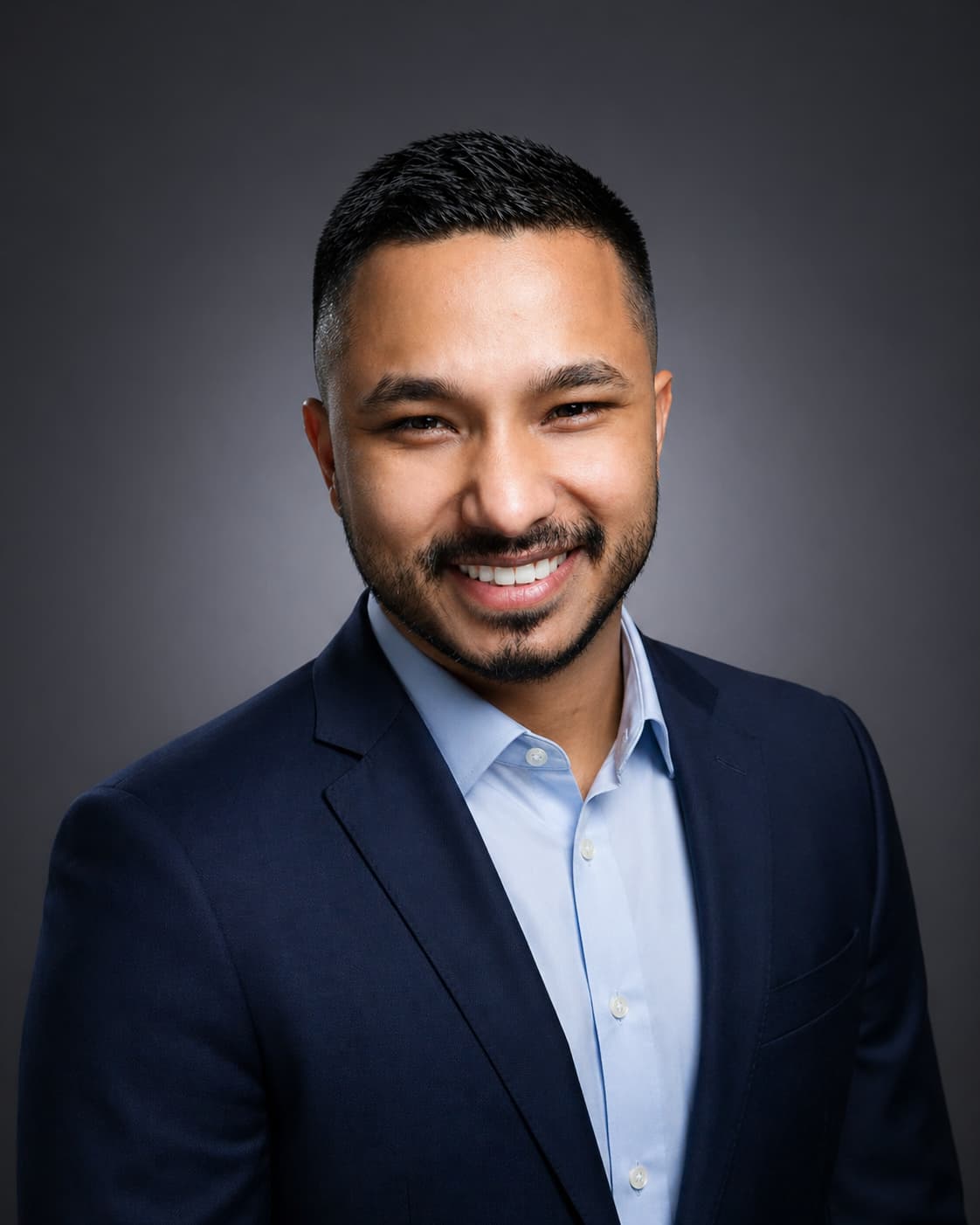
Rittam Debnath, FOUNDER
Rittam is the founder of Medichat, building AI-powered communication tools for private doctors in India and the UK. He writes about the future of digital healthcare, clinical workflow automation, and what it actually takes to build infrastructure for independent medical practices at scale.
Try MediAI Free for 14 Days
Built for Indian private practitioners. No credit card required. Doctor approval on every message.